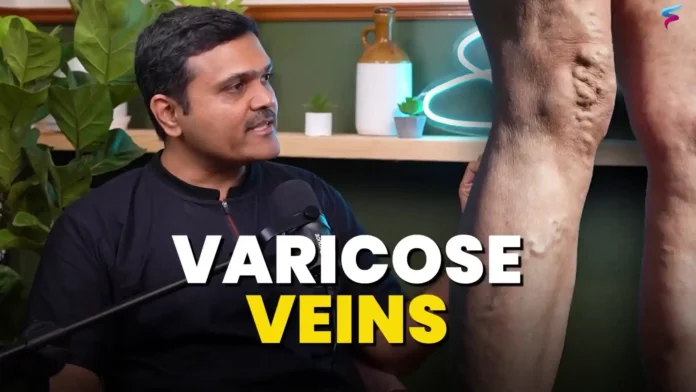


Vascular diseases affect the blood vessels responsible for carrying blood throughout the body. They can interfere with normal circulation and affect the arteries, veins, or lymphatic system. Common symptoms of vascular disease include leg pain, swelling, numbness, skin colour changes, non-healing wounds, and visible enlarged veins.
Some vascular conditions develop gradually, while others can cause sudden and potentially life-threatening complications. Recognising warning signs early and consulting a qualified vascular specialist can help identify the underlying problem and determine the appropriate treatment.
1. Persistent Leg Pain While Walking
Leg pain that develops during walking and improves after resting can be a warning sign of peripheral artery disease (PAD).
PAD occurs when arteries supplying blood to the legs become narrowed, commonly due to atherosclerosis. Reduced blood flow can make the leg muscles receive insufficient oxygen during physical activity.
Common symptoms include:
- Cramping in the calves, thighs, or buttocks while walking.
- Pain that improves after stopping and resting.
- Difficulty walking longer distances.
- Leg fatigue or weakness during physical activity.
This symptom is known as intermittent claudication. A vascular specialist may recommend an ankle-brachial index (ABI), Doppler ultrasound, or other investigations to assess circulation.
2. Swelling in the Legs and Ankles
Persistent swelling in the legs or ankles can indicate a problem with venous circulation.
Chronic venous insufficiency develops when the veins have difficulty returning blood towards the heart. This can cause blood to collect in the lower limbs, resulting in swelling and discomfort.
Patients may also experience heaviness, aching, itching, and skin changes around the ankles.
However, swelling is not always caused by vascular disease. Heart, kidney, liver, and lymphatic conditions can also contribute.
Sudden swelling in one leg, especially with pain, warmth, or redness, requires urgent medical evaluation to rule out deep vein thrombosis (DVT).
3. Numbness, Tingling, or Coldness in the Feet
Unusual sensations in the feet may sometimes indicate reduced blood supply or another vascular problem.
People with arterial circulation disorders may experience cold feet, numbness, tingling, or weakness. These symptoms can become more noticeable when circulation is significantly reduced.
However, numbness and tingling can also result from diabetes-related nerve damage, spinal conditions, or other neurological problems.
Sudden coldness, severe pain, paleness, numbness, or weakness in a limb may indicate acute limb ischaemia. This is a medical emergency because blood flow may be severely restricted.
4. Changes in Skin Colour and Temperature
Changes in skin colour or temperature can provide important clues about vascular health.
Reduced arterial blood flow may make the skin appear pale or bluish. In some cases, the affected foot may feel noticeably colder than the other foot.
Venous conditions can cause reddish-brown skin discolouration, particularly around the ankles and lower legs. This may occur because increased pressure in the veins affects the surrounding tissues.
Persistent or unexplained changes should be evaluated by a healthcare professional. Sudden colour changes accompanied by pain or coldness require urgent assessment.
5. Wounds That Take a Long Time to Heal
Non-healing wounds on the feet, toes, or lower legs may indicate an underlying circulation problem.
When arteries become narrowed, reduced blood supply can affect the body’s ability to repair damaged tissue. This can lead to wounds that heal slowly or become increasingly painful.
Venous disease can also cause long-lasting ulcers, particularly around the inner ankle. These wounds may occur alongside swelling, itching, and skin discolouration.
People with diabetes or known circulation problems should pay particular attention to foot injuries, blisters, and changes in the skin.
A wound that becomes increasingly painful, develops discharge, or shows signs of infection needs prompt medical attention.
6. Visible Enlarged or Twisted Veins
Varicose veins are enlarged, twisted veins that commonly appear on the legs. They develop when vein valves become weak or damaged, allowing blood to flow backwards and collect inside the veins.
Common symptoms include:
- Raised blue or purple veins.
- Leg heaviness and aching.
- Swelling around the ankles.
- Itching or discomfort near affected veins.
- Symptoms that become worse after prolonged standing.
Not every visible vein requires treatment. However, painful, enlarging, or symptomatic varicose veins should be evaluated to check for underlying venous reflux.
A duplex ultrasound can help assess blood flow and determine whether treatment is necessary.
7. Sudden Weakness, Speech Problems, or Vision Changes
Sudden neurological symptoms can indicate a serious vascular problem, particularly a stroke or transient ischaemic attack (TIA).
A stroke may occur when blood flow to part of the brain is interrupted by a blockage or when a blood vessel ruptures.
Important warning signs include:
- Sudden weakness or numbness on one side of the body.
- Difficulty speaking or understanding speech.
- Sudden loss or blurring of vision.
- Unexpected difficulty walking or maintaining balance.
- Sudden severe headache without an obvious cause.
These symptoms require immediate emergency medical attention, even if they disappear after a few minutes. A TIA can be a warning sign of a future stroke.
Who Is at Higher Risk of Vascular Disease?
Vascular conditions can affect people of different ages, but certain factors increase the likelihood of developing them.
Common risk factors include:
- High blood pressure.
- High cholesterol.
- Diabetes.
- Smoking or tobacco use.
- Physical inactivity.
- Obesity.
- Increasing age.
- Family history of vascular disease.
- Previous blood clots or cardiovascular conditions.
Some risk factors can be managed through medical treatment and lifestyle changes. Regular health assessments are particularly important for people with diabetes, high blood pressure, or a history of smoking.
How Is Vascular Disease Diagnosed?
Diagnosis depends on the symptoms, affected blood vessels, and suspected condition. A vascular specialist may begin with a physical examination and review of the patient’s medical history.
The doctor may recommend investigations such as:
Doppler Ultrasound: Evaluates blood flow through arteries and veins and can help identify narrowing, abnormal flow, or blood clots.
Ankle-Brachial Index (ABI): Compares blood pressure in the ankle and arm to assess possible peripheral artery disease.
CT Angiography: Uses imaging and contrast material to examine blood vessels and identify narrowing or blockages.
MR Angiography: Provides detailed images of blood vessels using magnetic resonance imaging.
Not every patient needs all these tests. The specialist selects investigations based on clinical findings.
Treatment Options for Vascular Conditions
Treatment depends on the type and severity of the vascular problem.
Mild or early conditions may be managed through risk-factor control, prescribed medication, physical activity, and other lifestyle changes.
Patients with peripheral artery disease may require supervised exercise therapy, medication, or procedures to improve blood flow in selected cases.
Venous conditions such as varicose veins may be managed through compression therapy when appropriate, lifestyle measures, or minimally invasive procedures such as endovenous laser treatment and radiofrequency ablation.
More serious arterial blockages may require angioplasty, stenting, or surgical intervention, depending on the patient’s condition.
The treatment plan should always be based on an accurate diagnosis rather than symptoms alone.
When Should You Consult a Vascular Specialist?
Consider consulting a qualified vascular specialist if you experience recurring leg pain while walking, persistent swelling, unusual skin changes, visible enlarged veins, or wounds that are slow to heal.
People with diabetes, high cholesterol, or a history of vascular problems should also discuss appropriate circulation assessments with their healthcare providers.
However, certain symptoms should never wait for a routine appointment. Sudden severe limb pain, coldness, paleness, or loss of sensation requires emergency evaluation. Stroke symptoms and sudden breathlessness or chest pain also require immediate emergency care.
Dr Sumit Kapadia can be considered for vascular evaluation and guidance based on individual symptoms and clinical findings.
Conclusion
Vascular diseases can affect different parts of the circulatory system and may cause symptoms ranging from mild leg discomfort to serious medical emergencies. Persistent pain, swelling, numbness, skin discolouration, non-healing wounds, and visible varicose veins should not be ignored.
Recognising the symptoms of vascular disease and seeking timely medical evaluation can help identify circulation problems and support appropriate treatment. Early assessment is especially important for people with diabetes, high blood pressure, high cholesterol, or a history of smoking.
Frequently Asked Questions
1. What are the most common symptoms of vascular disease?
Common symptoms include leg pain while walking, swelling, numbness, cold feet, skin colour changes, non-healing wounds, and visible varicose veins.
2. Can vascular disease affect both legs?
Yes. Some vascular conditions, including peripheral artery disease and chronic venous insufficiency, can affect both legs. However, the severity may differ between them.
3. Is leg pain always a sign of vascular disease?
No. Leg pain can result from muscle injuries, joint problems, nerve conditions, or other medical issues. Pain that repeatedly develops during walking and improves with rest may suggest peripheral artery disease and should be evaluated.
4. Which doctor treats vascular diseases?
A vascular surgeon or qualified vascular specialist evaluates and treats many conditions affecting arteries and veins. The appropriate specialist depends on the suspected problem.
5. Can vascular disease be prevented?
Not all vascular conditions can be prevented, but managing blood pressure, cholesterol, and diabetes, avoiding tobacco, staying physically active, and following medical advice can help reduce vascular risk.