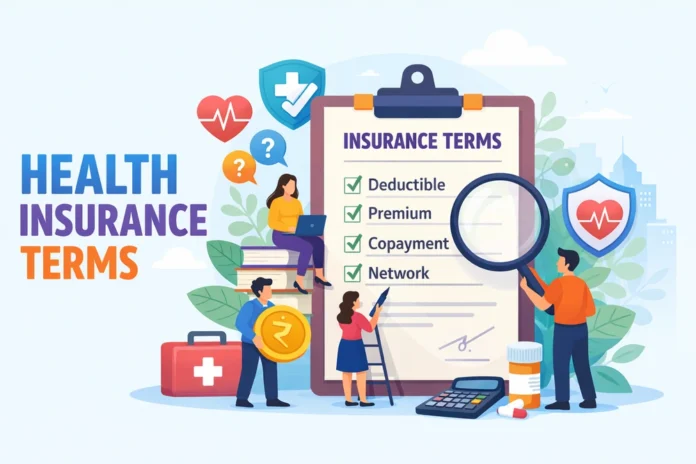

The health and accident insurance sector in India is undergoing strategic shift as insurers have started offering wellness-linked benefits and preventive car clauses in group personal accident policies. Originally created to offer financial protection against an accidental loss of life or disability, these policies are now changing to focus on younger policy-holders who take their health seriously and want both reactive protection and proactive wellbeing benefits.
Insurers as well as employers are reinventing coverage to incorporate fitness tracking, wellness incentives and digital healthcare tools. With lifestyle-related liabilities increasing and the growing focus among young working professionals on fitness, group personal accident covers are being marketed not merely as a safety net but also as facilities that further good health habits.
History And Origin Of Group Personal Accident Cover
For such a long time, group personal accident was regarded as rudimentary need-based risk cover, the kind employers extend to their employees. The coverage regularly extended to accidental death, and permanent or partial disability with or without hospitalisation cover. But the evolving needs of employees and post-pandemic wellness consciousness have led insurers to add more relevant benefits into these plans.
Modern accident policies may pay out extended medical benefits, mental wellness toolkits and even money back for gym memberships and preventative health checks. Adding in wellness-related benefits has made those policies more holistic health and safety packages to help insurers appeal to a younger generation interested in value beyond basic coverage.
Why wellness rewards are going center stage
Today’s savvy professionals understand that good health decreases not only their own risks, but also the long-term costs to fund overall benefit levels. Insurers have reacted to this by extending wellness programs to group personal accident and private medical insurance. Those programs incentivize policyholders to stay active and monitor physical activity or undergo routine check-ups.
For example, workers enrolled in such corporate plans can rack up reward points for steps taken, workouts finished or annual health screenings. You use these points to purchase premium discounts, health offers or digital vouchers in the future.
This wants vs wins model is a win-win for both insurer and insured – insurers getting a healthier customer base with lower claims, while individuals are properly rewarded for being healthy.
The correlation between accident cover and proactive health
On the face of it, accident insurance and wellness benefits may seem like strange bedfellows. But insurance companies have caught on to the fact that if you keep fit, you are less susceptible to injury or sickness. Promoting exercise and prevention can lower claim frequency, as healthier lifestyles are typically safer.
Employers are doing their part, as well. Most are now enhancing their benefits to offer group personal accident insurance coupled with added wellness benefits. This inclination is indicative of a broader move towards complete wellness, in which mental health and physical plus mental well-being are now regarded on par.
Wellness Integration is, likewise, in line with the growing trend toward private medical insurance products and services in which health is now viewed as a shared responsibility between insurer and insured.
Elements Of Contemporary Group Accident Policies
The current group personal accident covers offer a plethora of value added services that include the following:
- Wellness incentives and fitness rewards: Points for health activities, can spend on premium or health products.
- Preventive health check-ups: Screen regularly to catch threats on time.
- Consultation, teleconsultation services: Access to doctors over the phone free of cost or at discounted rates.
- Help for mental health: Counselling and stress relief.
- Life-style management tools: Mobile applications for diet recording, sleep measurement and exercise planning.
These are benefits that better help drive engagement, resonate with employees when it comes to taking control of their health, and actually make the accident policy more appealing.
Appeal to younger buyers
But younger generations — millennials and Gen Z professionals — see insurance differently. They want digital convenience, portability and relevance to their day-to-day lives. Wellness-linked group personal accident and private medical insurance are catching on with them as a result.
By incentivizing fitness goals, these policies give users an engagement that many ordinary insurance plans may not necessarily offer. In addition, digital wellness platforms help users track progress and are compatible with wearable devices that can be synced to their insurance accounts. This also strikes a chord with buyers that are tech-conscious, but who appreciate the real-time input and individualized recommendations.
As for the employers, these benefits also contribute to job satisfaction and retention. Providing comprehensive health and accident coverage signals a commitment to employee well-being, which can assist in the hiring of exceptional talent for competitive sectors.
The evolution of the digital health ecosystem
Tech is key to bringing these new-era plans to life. Insurers are teaming up with fitness apps, companies that make wearable devices and other businesses to create full digital ecosystems around their policies.
On these platforms, they can sync their fitness data, consult with medical professionals online and track health parameters — all at once in one interface. And it is this digital-first approach that has blurred the lines between group personal accident and private medical insurance, some hybrid plans now exist that offer a combined protection and ongoing health proposition.
And insurers are also using digital tools to examine user data to create more precise risk profiles. In the future, it could drive bespoke premiums based on lifestyle, rather than simply age or medical history.
Regulatory and industry outlook
The insurance regulator’s emphasis on preventive care and wellness, too, has prompted companies to innovate. Leading players view the inclusion of wellness benefits as a long-term proposition to lower claim ratios and encourage healthier living among policyholders.
IRDAI’s wider health inclusion guidelines is also encouraging insurers to offer preventive features under employer-funded covers. This makes health benefits available not only to individual policies but also to the entire workforce.
With the increasing acknowledgment among employers of the correlation between wellness and productivity, group personal accident coverages with supplementary health benefits is likely to witness a gradual increase in demand over the next few years.
Challenges and future scope
The wellness-focused model has grown popular, but not without problems. But some businesses regard such schemes as an additional overhead, rather than long-term investments. Additionally, keeping employees engaged in wellness programs is challenging if you don’t have supportive engagement.
To overcome this, insurers are testing gamification and social elements in mobile applications to encourage users. The future is said to hold greater levels of personalisation — think group personal accident plans that automatically reshapes itself based on the health data and user behaviour patterns.
Conclusion
The new crop of group personal accident plans is changing perceptions on insurance for young professionals. Incorporating wellness incentives, digital fitness monitoring and preventive care benefits, insurers are narrowing the gap between protection and proactive health.
This progression, reflects a wider trend towards private health insurance not only in the area of acute care, but also as an aspect of daily living. In a convergence of technology, health and insurance, these plans are poised to be the model for an emerging generation of health-aware digital policyholders.
Must Read-: How a Term Insurance Calculator Helps Estimate Term Insurance Coverage