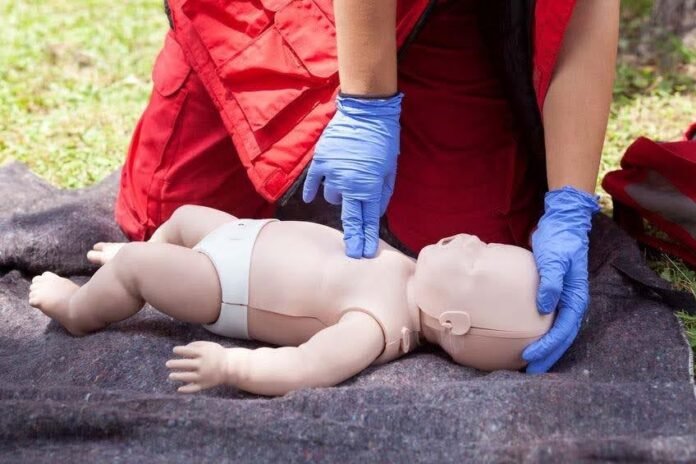

When it comes to medical emergencies involving infants and children, immediate and specialized care is essential. Pediatric patients have unique physiological characteristics, and their conditions can deteriorate rapidly if not managed correctly. This is why enrolling in a pediatric advanced life support course is critical for healthcare professionals working with children.
Comprehensive pediatric advanced life support training equips medical providers with advanced skills to recognize, assess, and manage life-threatening pediatric emergencies. From respiratory distress to cardiac arrest, this specialized training ensures clinicians are prepared to act confidently and effectively.
What is a Pediatric Advanced Life Support Course?
A pediatric advanced life support course is an advanced-level emergency training program designed for healthcare professionals involved in pediatric care. The course builds upon Basic Life Support (BLS) knowledge and focuses on systematic approaches to managing critically ill infants and children.
The training emphasizes early recognition and intervention, preventing cardiac arrest whenever possible. Participants learn evidence-based protocols and algorithms designed specifically for pediatric patients.
Why Pediatric Advanced Life Support Training is Important
Children are not simply smaller versions of adults. Their heart rates, respiratory systems, and responses to illness differ significantly. Delays in recognition or improper treatment can lead to severe complications.
Here are the main reasons why pediatric advanced life support training is essential:
- Early Identification of Deterioration
PALS training teaches healthcare providers how to detect early warning signs before a child’s condition becomes critical.
- Structured Clinical Approach
The course provides clear algorithms for managing respiratory distress, shock, and cardiac emergencies.
- Enhanced Team Performance
Training focuses on communication, leadership, and teamwork during resuscitation scenarios.
- Improved Patient Outcomes
Evidence-based interventions significantly increase survival rates and reduce long-term complications.
Healthcare professionals working in pediatric units, emergency departments, and intensive care settings often require certification from a pediatric advanced life support course.
Who Should Take a Pediatric Advanced Life Support Course?
Pediatric advanced life support training is designed for healthcare professionals who are responsible for managing pediatric emergencies.
Recommended Participants:
- Pediatricians
- Emergency physicians
- Nurses in pediatric or ICU units
- Paramedics
- Respiratory therapists
- Anesthesiologists
- Medical residents
- Critical care specialists
Many hospitals and healthcare facilities require staff in pediatric-related departments to maintain active PALS certification.
What You Will Learn in Pediatric Advanced Life Support Training
A pediatric advanced life support course combines theoretical instruction with hands-on simulation training. Participants gain both knowledge and practical skills needed for real-life emergency scenarios.
- Pediatric Assessment and Evaluation
Learn a structured approach to assessing critically ill infants and children using primary and secondary surveys.
- Respiratory Management
Identify and manage respiratory distress, airway obstruction, and respiratory failure.
- Shock Recognition and Treatment
Understand different types of shock in pediatric patients and appropriate interventions.
- Cardiac Arrest Algorithms
Master pediatric CPR techniques, rhythm recognition, defibrillation, and medication administration.
- Advanced Airway Management
Gain skills in airway support and ventilation techniques.
- Team Dynamics and Communication
Develop effective leadership and teamwork strategies during high-pressure situations.
Simulation-based learning is a critical part of pediatric advanced life support training, allowing participants to practice real-world scenarios in a controlled environment.
Hands-On Simulation: A Core Component
One of the most valuable aspects of a pediatric advanced life support course is hands-on training. Participants engage in realistic case scenarios that replicate pediatric emergencies.
Simulation exercises include:
- Managing cardiac arrest in children
- Responding to respiratory failure
- Treating pediatric shock
- Coordinating resuscitation teams
- Practicing medication administration
These interactive sessions improve confidence, enhance teamwork, and ensure proper skill application.
Difference Between BLS and Pediatric Advanced Life Support Training
While Basic Life Support (BLS) provides foundational CPR skills, pediatric advanced life support training goes beyond basic techniques.
| Basic Life Support | Pediatric Advanced Life Support |
|---|---|
| Basic CPR and AED use | Advanced pediatric emergency management |
| Suitable for general population | Designed for healthcare professionals |
| Focuses on immediate response | Focuses on comprehensive assessment and advanced interventions |
| Limited medication use | Includes pediatric medication protocols |
A pediatric advanced life support course builds on BLS knowledge and prepares professionals for complex clinical decision-making.
Benefits of Completing a Pediatric Advanced Life Support Course
- Professional Requirement
Many healthcare institutions require active certification for pediatric and emergency staff.
- Career Advancement
PALS certification enhances employability and career growth opportunities.
- Improved Clinical Confidence
Participants gain the confidence to manage pediatric emergencies independently.
- Better Patient Safety
Trained professionals contribute to safer healthcare environments.
- Global Recognition
Certification is internationally recognized and valued across healthcare systems.
Completing pediatric advanced life support training demonstrates commitment to professional excellence.
Certification and Renewal
After successfully completing the course and passing required assessments, participants receive certification. Most certifications are valid for two years.
Renewal courses help:
- Reinforce key concepts
- Update participants on guideline changes
- Refresh hands-on skills
- Maintain compliance with employer requirements
Staying current with pediatric advanced life support training ensures that healthcare providers remain aligned with the latest emergency care standards.
Career Opportunities After PALS Certification
Healthcare professionals who complete a pediatric advanced life support course can pursue roles in:
- Pediatric intensive care units (PICU)
- Emergency departments
- Neonatal and pediatric wards
- Ambulance and emergency response services
- Specialty pediatric clinics
- Critical care units
PALS certification is often a stepping stone toward leadership roles in emergency care teams.
The Growing Importance of Pediatric Emergency Preparedness
Healthcare systems worldwide are placing increased emphasis on emergency preparedness and patient safety. Pediatric emergencies require rapid, specialized responses, and properly trained staff are essential to delivering high-quality care.
Through pediatric advanced life support training, healthcare providers gain:
- Advanced clinical knowledge
- Practical resuscitation experience
- Structured emergency response skills
- Confidence in high-stress environments
As healthcare standards evolve, completing a pediatric advanced life support course remains a vital component of professional development.
How to Prepare for a Pediatric Advanced Life Support Course
To maximize success in the course:
- Maintain a valid BLS certification
- Review pediatric CPR guidelines
- Study basic ECG rhythm recognition
- Understand pediatric medication dosages
- Familiarize yourself with airway management principles
Preparation enhances understanding and performance during both theoretical and practical assessments.
Conclusion
Managing pediatric emergencies requires advanced knowledge, rapid assessment, and precise intervention. Enrolling in a pediatric advanced life support course equips healthcare professionals with the skills necessary to respond effectively to life-threatening situations involving infants and children.
Through comprehensive pediatric advanced life support training, medical providers strengthen clinical expertise, improve teamwork, and enhance patient outcomes. For healthcare professionals dedicated to delivering high-quality pediatric care, PALS certification is not just an option — it is an essential professional milestone.