

Occasional knee pain after physical activity or a minor injury is common and often improves with rest. However, if the pain continues for weeks, becomes more intense, or starts affecting your daily routine, it should not be ignored. Visiting a trusted knee pain clinic in Bangalore at the right time can help identify the underlying cause and prevent the condition from becoming more serious.
Persistent joint pain can result from arthritis, ligament injuries, cartilage damage, tendon inflammation, or overuse. Early diagnosis and treatment not only relieve pain but also improve mobility and reduce the risk of long-term joint damage.
Signs That You Should See a Knee Pain Specialist
Many people delay medical treatment, hoping the pain will disappear on its own. While this may happen in some cases, persistent symptoms often indicate an underlying problem that requires professional evaluation.
If your knee pain lasts for more than two weeks despite rest and medication, it is advisable to consult a specialist. Swelling, stiffness, or difficulty bending the knee are also warning signs that should not be overlooked. Pain that worsens while walking, climbing stairs, or standing for long periods may indicate joint degeneration or a soft tissue injury.
You should also seek medical attention if your knee feels unstable, locks during movement, or makes painful clicking sounds. These symptoms can be associated with ligament or meniscus injuries that require proper diagnosis and treatment.
Common Causes of Persistent Knee Pain
A knee pain clinic in Bangalore treats a wide range of conditions that can cause long-term joint pain. Osteoarthritis is one of the most common causes, particularly among older adults. Sports injuries, tendonitis, bursitis, and cartilage damage are also frequently seen in younger and active individuals.
In some cases, persistent knee pain develops due to excess body weight, poor posture, repetitive strain, or previous injuries that were not treated properly. Identifying the exact cause is essential because each condition requires a different treatment approach.
What to Expect During Your Visit
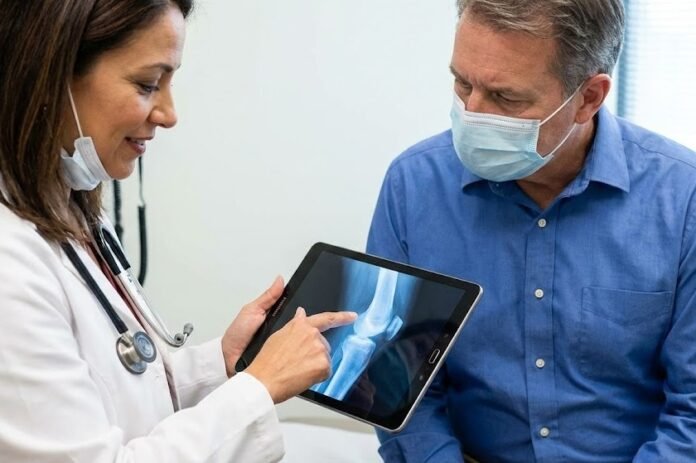
During your consultation, the specialist will discuss your symptoms, medical history, and daily activities. A physical examination helps assess joint movement, swelling, and stability. If needed, imaging tests such as X-rays or MRI scans may be recommended to confirm the diagnosis.
Based on the findings, the doctor will prepare a personalized treatment plan aimed at reducing pain, improving mobility, and preventing further joint damage.
Treatment Options Available
Modern pain clinics focus on non-surgical treatments whenever possible. Depending on your condition, treatment may include physiotherapy, medications, lifestyle modifications, and strengthening exercises. For patients with chronic pain, advanced procedures such as PRP therapy, hyaluronic acid injections, ultrasound-guided injections, or Radiofrequency Ablation (RFA) may be recommended.
These minimally invasive treatments are designed to provide effective pain relief while promoting faster recovery and helping patients return to their normal activities.
Why Early Treatment Matters
Ignoring persistent knee pain can lead to worsening symptoms and permanent joint damage. Early treatment often results in better outcomes, shorter recovery time, and improved quality of life. It can also reduce the likelihood of requiring surgery in the future.
Regular follow-up with your specialist and following the recommended rehabilitation program are equally important for maintaining long-term knee health.
Conclusion
Persistent joint pain is not something you should simply live with. If your symptoms continue despite rest or begin affecting your daily activities, visiting a reliable knee pain clinic in Bangalore is the right step. Early diagnosis, expert care, and modern treatment options can relieve pain, restore mobility, and help you enjoy an active, pain-free life once again.