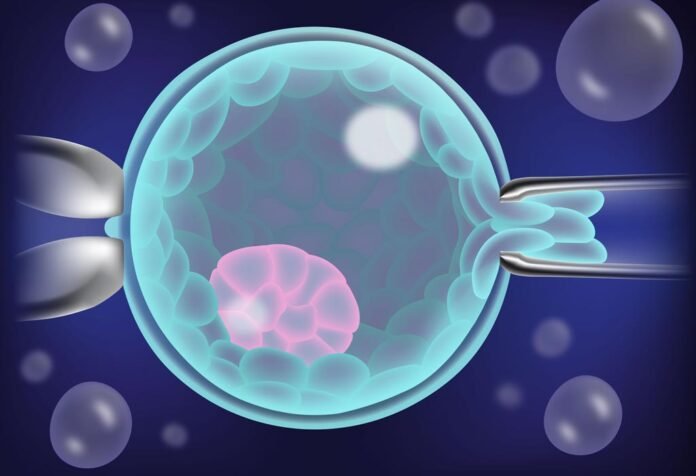


For individuals and couples undergoing IVF, genetics can sometimes be an important part of the treatment journey. PGT testing, also known as preimplantation genetic testing, is a laboratory procedure used to analyze embryos created through in vitro fertilization before they are transferred to the uterus.
The purpose of PGT is to provide genetic information about embryos in specific clinical situations. Depending on the type of test, it may be used to assess certain chromosomal abnormalities or to look for a known genetic condition within a family.
It is important to understand that preimplantation genetic testing does not guarantee pregnancy, prevent every possible genetic condition, or replace all prenatal testing. Its role depends on the individual’s medical history, age, fertility diagnosis, and genetic circumstances.
What Is Preimplantation Genetic Testing?
Preimplantation genetic testing is performed on embryos created during an IVF cycle.
After eggs are retrieved and fertilized in a laboratory, the resulting embryos are allowed to develop. At an appropriate stage of development, a small number of cells may be carefully biopsied and sent for genetic analysis.
The embryos themselves are typically cryopreserved while the testing is completed. Once the results are available, the fertility specialist can discuss which embryos may be considered for transfer based on the test findings and the overall clinical situation.
The term PGT testing covers different types of genetic testing, each designed for a specific purpose.
Types of PGT Testing
PGT-A: Testing for Aneuploidy
PGT-A is used to assess the number of chromosomes in an embryo.
Humans typically have 46 chromosomes arranged in 23 pairs. An embryo with an abnormal number of chromosomes is described as having aneuploidy.
Certain chromosomal abnormalities may affect embryo development, implantation, miscarriage risk, or the chance of certain genetic conditions.
PGT-A can provide information about the chromosome complement of the sampled cells. However, it does not assess every possible genetic or developmental condition.
PGT-M: Testing for Monogenic Conditions
PGT-M is used when there is a known risk of a specific single-gene condition within a family.
Before the IVF cycle, the laboratory generally develops a testing strategy based on the known genetic variant and relevant family information.
The embryos can then be tested for the specific condition.
PGT-M may be considered when one or both prospective parents carry a genetic variant associated with a known inherited disorder.
PGT-SR: Testing for Structural Chromosomal Rearrangements
PGT-SR may be considered when one prospective parent carries a known structural chromosome rearrangement.
This can include certain translocations or other chromosomal changes that may affect embryo development or reproductive outcomes.
The test is designed to provide information about chromosomal imbalances related to the known rearrangement.
How Does the PGT Testing Process Work?
The PGT testing process is closely connected to IVF.
The first stage involves ovarian stimulation and egg retrieval. The retrieved eggs are fertilized in a laboratory to create embryos.
The embryos are then cultured for several days. At the appropriate developmental stage, an embryologist performs an embryo biopsy, removing a small number of cells for analysis.
The collected cells are sent to a genetics laboratory for testing. The embryos are generally frozen while the results are processed.
After the results are available, the fertility specialist discusses the findings and the next steps based on the individual’s treatment plan.
The exact process can vary depending on the clinic, laboratory, type of PGT, and the genetic question being investigated.
Who May Consider Preimplantation Genetic Testing?
Preimplantation genetic testing may be considered in several situations.
Couples with a known inherited genetic condition may discuss PGT-M. Those with a known chromosomal rearrangement may be candidates for PGT-SR.
PGT-A may also be discussed in selected IVF situations, although whether it is appropriate depends on individual circumstances. It should not automatically be assumed that PGT-A improves outcomes for every person undergoing IVF.
A fertility specialist or genetic counselor can help explain whether PGT testing is appropriate based on age, reproductive history, embryo numbers, family history, and other relevant factors.
What Can PGT Testing Tell You?
The information provided by PGT depends on the specific type of test.
PGT-A can provide information about the chromosome status of the sampled embryo cells. PGT-M can assess whether an embryo is predicted to have inherited a specific familial genetic condition. PGT-SR can provide information related to a known parental chromosomal rearrangement.
However, PGT is not a complete health screening test.
A normal or low-risk result does not guarantee that an embryo will successfully implant, result in a live birth, or be free from all genetic and medical conditions.
Similarly, test results must be interpreted carefully because technical limitations and biological factors can affect the findings.
Understanding Embryo Biopsy and Mosaicism
Embryo biopsy involves testing only a small sample of cells rather than examining every cell within the embryo.
In some cases, embryos may contain cells with different chromosomal compositions, a phenomenon known as mosaicism.
This can make interpretation more complex.
The genetic result from the biopsied cells may not always perfectly represent every cell within the embryo. Laboratories and fertility specialists use established methods to interpret these findings, but the limitations should be discussed before making decisions about embryo transfer.
This is one reason why genetic counseling and expert interpretation are important parts of the preimplantation genetic testing process.
Does PGT Testing Guarantee a Healthy Baby?
No. PGT testing cannot guarantee a healthy baby or a successful pregnancy.
The test only examines the specific genetic or chromosomal factors included in the analysis. Many health conditions are not assessed through PGT.
Pregnancy outcomes can also be influenced by factors unrelated to the genetic status of the embryo.
Because of these limitations, prenatal screening or diagnostic testing may still be discussed after pregnancy is established, depending on the clinical situation and the type of PGT performed.
Benefits of Preimplantation Genetic Testing
For appropriately selected patients, preimplantation genetic testing can provide useful information before embryo transfer.
For families with a known genetic condition, PGT-M may help identify embryos based on whether they carry the specific familial variant being tested.
PGT-SR may provide information for individuals with known structural chromosomal changes.
PGT-A can provide information about chromosomal status, which may assist clinical decision-making in selected IVF cases.
The potential value of testing depends on the individual situation. It is not necessary or beneficial for every person undergoing IVF.
Limitations and Considerations
Like all medical tests, PGT testing has limitations.
The test may not detect every genetic condition. Technical factors, sample limitations, and biological complexities such as mosaicism can affect results.
There is also a possibility that some embryos may produce inconclusive results.
The testing process can add cost and complexity to an IVF cycle, and genetic testing may not increase the likelihood of a successful outcome for every patient.
For these reasons, the decision should be based on medical evidence and personalized guidance rather than assuming that PGT is automatically beneficial for all IVF patients.
The Importance of Genetic Counseling
Genetic counseling can be particularly valuable before preimplantation genetic testing.
A genetic counselor or qualified healthcare professional can explain the purpose of the test, what it can and cannot detect, possible results, and the potential implications for treatment decisions.
For PGT-M, additional preparation may be required to develop a test specifically designed around a known familial genetic variant.
Understanding these details before beginning an IVF cycle can help individuals and couples make informed decisions.
The Role of Advanced Genomic Testing
Advances in reproductive genetics have made it possible to analyze genetic and chromosomal information from a very small number of embryonic cells.
Organizations such as MedGenome, which operate in the field of genomics and genetic diagnostics, represent the broader growth of advanced molecular technologies in healthcare.
In reproductive medicine, high-quality genomic analysis can support fertility specialists and patients by providing additional information about embryos when preimplantation genetic testing is clinically appropriate.
The value of any genetic test depends on appropriate laboratory methods, accurate analysis, and careful interpretation within the broader clinical context.
What Happens After PGT Results Are Available?
Once the results of PGT testing are available, the fertility specialist discusses the findings with the patient.
The next steps may depend on the number and type of embryos available, the purpose of testing, the results obtained, and the individual’s overall treatment plan.
Embryo transfer decisions are complex and should be made with guidance from a fertility specialist.
A PGT result should not be interpreted independently without professional support, particularly when findings such as mosaicism or uncertain results are involved.
The Future of Preimplantation Genetic Testing
Reproductive genetics continues to evolve as testing technologies and scientific understanding improve.
Researchers are working to improve the accuracy of genetic analysis and gain a better understanding of embryo development and chromosomal changes.
Future developments may make PGT testing more precise, but ethical and clinical considerations will remain important.
The goal should not simply be to perform more genetic testing. It should be to use testing appropriately, based on medical need and supported by accurate information and professional guidance.
Final Thoughts
PGT testing, or preimplantation genetic testing, is an advanced genetic testing approach used with IVF to analyze specific genetic or chromosomal characteristics of embryos before transfer.
Different types of PGT, including PGT-A, PGT-M, and PGT-SR, serve different purposes. The right option depends on an individual’s reproductive history, family history, and specific genetic concerns.
PGT can provide valuable information, but it has limitations and does not guarantee pregnancy or the birth of a healthy child. A fertility specialist and genetic counselor can help explain whether preimplantation genetic testing is appropriate and how the results may influence treatment decisions.
Disclaimer: This article is for informational and educational purposes only and should not replace professional medical advice, fertility counseling, genetic counseling, diagnosis, or treatment.