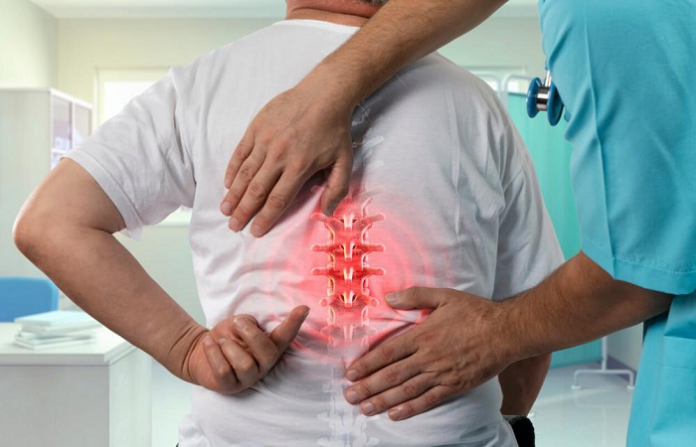


When pain starts affecting sleep, work, mobility, or confidence in everyday movement, the next step should not be a random treatment. It should be a clear diagnosis and a plan matched to the actual source of symptoms.
A diagnosis-first approach
Non Surgical Back Pain Treatment is not one single treatment. For back pain, clinicians usually consider symptoms such as aching, stiffness, pain with movement, or pain that may travel toward the buttock or leg. Possible contributors include muscle or ligament strain, disc changes, facet-joint irritation, sacroiliac-joint problems, or nerve irritation. The right plan depends on the pattern of symptoms, examination findings, overall health, previous treatment, and the patient’s goals.
What a proper evaluation looks like
A clinician will usually begin with a detailed history: when the symptoms started, what makes them better or worse, whether pain travels, and whether there is numbness or weakness. A physical examination helps narrow down the likely source. Imaging such as X-ray or MRI is not automatically required for every person; it is most useful when the result is likely to change management or when warning signs are present.
What non-surgical or specialist care may include
Depending on the diagnosis, care may involve activity modification, guided physiotherapy, medication when appropriate, rehabilitation, and selected image-guided pain procedures. The goal is not to promise a cure or to avoid surgery at all costs. The goal is to use the least invasive effective option that is medically appropriate, while preserving function and monitoring for signs that the plan needs to change.
A well-designed plan often starts with lower-risk measures and adds more targeted options only when there is a clear reason to do so. Medication decisions should take account of age, other medical conditions, current medicines, and the risk of side effects. Physiotherapy and rehabilitation should be specific to the diagnosis rather than a generic list of exercises.
Interventional pain procedures can be useful for selected patients, but they are not automatically the next step for everyone. Their role is strongest when the suspected pain generator is reasonably clear, conservative treatment has been insufficient, and the expected benefit justifies the risks. If a procedure is recommended, patients should understand whether it is diagnostic, therapeutic, or both.
What recovery should focus on
Recovery is usually measured by more than a pain score. Better sleep, improved walking tolerance, the ability to sit or work longer, and a return to normal activities are equally important outcomes. A plan should therefore include measurable functional goals.
Lifestyle factors can also influence persistent pain. Sleep, activity level, body weight, work ergonomics, stress, and fear of movement may all affect recovery. Addressing these factors does not mean the pain is “only psychological”; it means pain is influenced by multiple biological and functional systems.
When should you see a pain or spine specialist?
A specialist review is reasonable when pain is persistent, keeps returning, interferes with sleep or mobility, causes radiating symptoms, or has not improved despite a sensible first-line plan. It is also appropriate when a person is unsure whether a proposed procedure or surgery is necessary and wants a structured second opinion.
Seek urgent medical assessment rather than waiting for a routine pain appointment if there are red-flag symptoms such as new bowel or bladder problems, progressive leg weakness, saddle numbness, fever with severe back pain, or major trauma. These symptoms do not always mean a serious condition is present, but they need timely evaluation.
Questions to ask before choosing treatment
Useful questions to ask during a consultation include:
- What is the most likely source of my symptoms?
- Do I need imaging now, or can treatment start based on the examination?
- What should I continue doing, and what should I temporarily modify?
- What are the benefits, limits, and risks of the recommended treatment?
- How will we measure whether the plan is working?
- At what point would a procedure or surgical opinion become appropriate?
Choosing a clinic or specialist
Look for clear credentials, a transparent diagnosis process, and a willingness to discuss alternatives. A strong pain-management service should be able to explain why a treatment is being recommended, what evidence supports it, what the expected limitations are, and what happens if it does not work. In medical SEO content, the same standard applies: avoid exaggerated promises such as “guaranteed cure,” “painless for everyone,” or fixed recovery times that cannot be supported for every patient.
For readers comparing specialist options, Epione back pain care provides additional information on evaluation and treatment pathways: https://epionepainandspine.com/conditions-treated/low-back-pain/
For appointments and location information, call 8008008729.
Important note
This article is educational and is not a substitute for diagnosis or treatment by a qualified clinician. Because pain and spine conditions can have different causes, treatment should be personalized after medical evaluation.
Publishing note: Medical review required before publication; customize for the host publication and do not mass-publish duplicate copies.