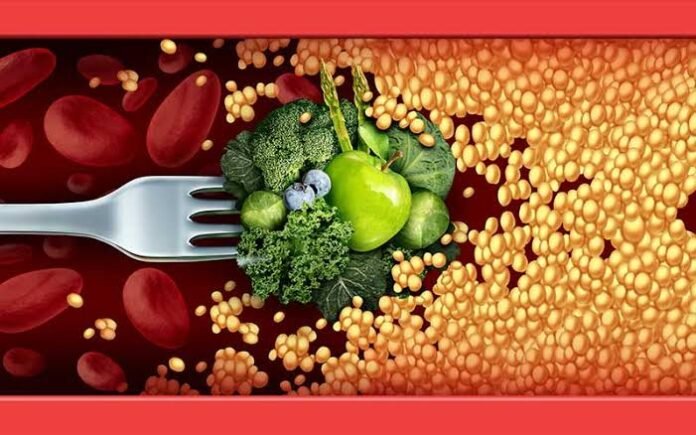


If you are wondering how to clear blocked arteries naturally, the more accurate goal is to prevent plaque from progressing and improve overall cardiovascular health rather than trying to “flush” arteries with a food or home remedy. A heart-healthy diet, regular physical activity, quitting tobacco, managing cholesterol, blood pressure and blood sugar, maintaining a healthy weight, and taking prescribed medicines can help reduce cardiovascular risk.
Atherosclerosis develops gradually, and plaque can accumulate inside artery walls over many years. Age is one risk factor you cannot change, but several other factors are modifiable.
Can You Clear Blocked Arteries Naturally?
Lifestyle changes can help slow atherosclerosis and, in some people, plaque may regress over time, but there is no proven natural remedy that can quickly remove significant artery blockage. Severe or dangerous blockages may require medication, a procedure, or surgery depending on where the blockage is and how much it affects blood flow.
This distinction matters because online claims about specific juices, herbs, supplements, or foods “cleaning out” arteries can create a false sense of security.
The practical approach is to reduce the factors that drive plaque formation and work with a healthcare professional when established artery disease is present.
What Happens to Your Arteries as You Age?
Atherosclerosis can begin early in life and gradually progress over decades. Cholesterol and other substances can accumulate within artery walls, forming plaque that can make arteries narrower and less flexible.
The process can affect arteries supplying different parts of the body, including:
- The heart
- Brain
- Legs
- Kidneys
- Other organs
When plaque significantly restricts blood flow, symptoms can develop. In some situations, a plaque can rupture and contribute to formation of a blood clot, potentially causing a heart attack or stroke.
1. Eat for Better Artery Health
Your everyday eating pattern has a greater impact than any single “artery-cleansing” food.
A heart-healthy diet generally emphasizes:
- Vegetables and fruits
- Whole grains
- Beans and legumes
- Nuts and seeds
- Fish and other healthy protein sources
- Foods rich in dietary fiber
It also limits excessive saturated fat, sodium, added sugars, refined carbohydrates, and highly processed foods.
What About Garlic, Ginger, Turmeric and Other Foods?
These foods can be part of a healthy diet, but they should not be presented as substitutes for evidence-based treatment of blocked arteries.
For example, adding vegetables, legumes, whole grains, and nuts to your meals can support a heart-healthy eating pattern. That is different from claiming that one ingredient can dissolve an established arterial blockage.
2. Keep LDL Cholesterol Under Control
LDL cholesterol is an important factor in atherosclerosis. When LDL levels are too high, cholesterol can contribute to plaque buildup inside arteries.
You can support healthier cholesterol levels through:
- Reducing saturated fat intake
- Eating more fiber-rich foods
- Staying physically active
- Maintaining a healthy weight
- Avoiding tobacco
- Taking cholesterol-lowering medication when prescribed
For people at sufficiently high cardiovascular risk, lifestyle changes may not be enough. Doctors may recommend statins or other cholesterol-lowering medicines based on the individual’s risk and medical history.
3. Stay Physically Active
Regular physical activity is one of the most practical ways to support cardiovascular health.
For many adults, health authorities recommend at least 150 minutes of moderate-intensity physical activity per week or 75 minutes of vigorous activity, assuming the activity is medically appropriate.
Activities can include:
- Brisk walking
- Cycling
- Swimming
- Dancing
- Jogging
- Strength training
If you have known heart disease, significant artery disease, chest pain, or severe shortness of breath, ask your healthcare professional what level of exercise is safe before starting a new program.
4. Quit Smoking and Avoid Tobacco
Smoking is a major cardiovascular risk factor and contributes to vascular damage and atherosclerosis.
If you smoke, quitting is one of the most important steps you can take to protect your arteries. Avoiding secondhand smoke also matters.
There is no supplement that can compensate for continued tobacco exposure.
If quitting is difficult, speak with a healthcare professional about evidence-based cessation support.
5. Manage Blood Pressure
High blood pressure places stress on artery walls and is an important risk factor for cardiovascular disease.
Regularly checking your blood pressure can help identify a problem before you develop symptoms. If you have hypertension, lifestyle changes and prescribed medication may both be part of treatment.
Useful habits include:
- Limiting excessive sodium
- Staying physically active
- Maintaining a healthy weight
- Eating a heart-healthy diet
- Taking prescribed medication consistently
- Getting adequate sleep
Do not stop blood pressure medication because your readings improve without discussing it with your doctor.
6. Keep Blood Sugar Under Control
Diabetes is another important risk factor for atherosclerosis.
Persistently high blood sugar can contribute to blood vessel damage and increase cardiovascular risk. Managing diabetes through diet, physical activity, monitoring, and prescribed treatment can therefore be an important part of protecting artery health.
If you have diabetes or prediabetes, regular follow-up can help identify changes early.
7. Maintain a Healthy Weight
Excess body weight can contribute to several cardiovascular risk factors, including high blood pressure, unhealthy cholesterol and diabetes.
You do not necessarily need dramatic weight loss to start improving some risk factors. NHLBI notes that losing around 3% to 5% of current body weight can improve certain cholesterol, blood sugar, and blood pressure measures in people who are overweight or obese.
The realistic goal is a sustainable eating and activity pattern rather than a short-term crash diet.
8. Get Enough Sleep
Sleep is often overlooked when people think about artery health.
Adults generally need around 7 to 9 hours of sleep each night. Poor sleep can make it harder to manage weight and other cardiovascular risk factors.
If you regularly sleep enough hours but still feel excessively tired, discuss the problem with a healthcare professional.
9. Manage Stress
Long-term stress can make healthy habits harder to maintain and may affect cardiovascular risk factors.
Useful strategies can include:
- Regular physical activity
- Consistent sleep
- Breathing exercises
- Meditation
- Spending time outdoors
- Social connection
- Speaking with a mental health professional when needed
Stress management should complement, not replace, treatment for high blood pressure, cholesterol, diabetes, or established artery disease.
Expert Tip / Practical Advice: Don’t chase a quick “artery cleanse.” If you’re genuinely concerned about blocked arteries, focus on measurable factors such as LDL cholesterol, blood pressure, blood sugar, smoking status, weight and physical activity. These give you and your doctor something concrete to monitor and improve.
Can Exercise Remove Plaque From Arteries?
Exercise does not work like a pipe cleaner that physically scrubs plaque out of an artery.
However, regular physical activity can improve several cardiovascular risk factors and is an important component of preventing and managing atherosclerotic disease.
In some people, comprehensive treatment involving lifestyle changes and medication can stabilize or even contribute to regression of atherosclerotic plaque over time. The extent of improvement depends on the severity of disease and individual risk factors.
Can Diet Reverse Blocked Arteries?
A heart-healthy diet can help improve cholesterol and other cardiovascular risk factors, but diet should not be described as a guaranteed way to reopen a severely blocked artery.
NHLBI notes that atherosclerosis may sometimes be reversed, particularly in its earlier stages, through aggressive management of risk factors and, when appropriate, medication. Severe disease may not be fully reversible with currently available treatments.
So if a scan has already shown significant arterial narrowing, don’t replace medical treatment with a diet or supplement marketed as a natural cure.
What About Supplements for Artery Health?
Some supplements and foods have been studied for their potential effects on cardiovascular risk factors, but evidence varies considerably.
NHLBI recommends discussing supplements with a healthcare provider because some can interact with medicines or cause side effects.
This is especially important if you take medication for:
- Cholesterol
- Blood pressure
- Diabetes
- Blood clotting
- Heart disease
“Natural” does not automatically mean safe or effective.
When Should You See a Vascular or Heart Specialist?
You should discuss your cardiovascular risk with a healthcare professional if you have multiple risk factors or symptoms that could indicate reduced blood flow.
Important warning signs include:
- Chest pressure or pain
- Shortness of breath
- Unexplained exercise intolerance
- Leg pain while walking
- A cold or unusually pale foot
- Slow-healing wounds
- Sudden weakness or numbness
- Sudden difficulty speaking
Chest pain, severe breathing difficulty, or symptoms suggestive of a heart attack or stroke require emergency medical attention.
For people with suspected or known vascular disease, a specialist such as Dr Sumit Kapadia can help assess circulation and determine whether further testing or treatment is appropriate.
How Are Blocked Arteries Evaluated?
The appropriate test depends on your symptoms and which arteries may be affected.
A healthcare professional may review:
- Blood pressure
- LDL and other cholesterol levels
- Blood sugar
- Smoking history
- Family history
- Physical activity
- Weight and waist measurements
- Symptoms and medical history
Additional tests may include vascular ultrasound, ankle-brachial index testing, coronary calcium assessment, CT-based imaging, stress testing, or other investigations depending on the suspected condition.
There is no single test that is appropriate for everyone.
Natural Lifestyle Changes vs Medical Treatment
| Approach | What It Can Do | What It Cannot Do |
|---|---|---|
| Heart-healthy diet | Improve overall cardiovascular risk factors | Instantly dissolve a major blockage |
| Regular exercise | Improve fitness and several risk factors | Physically “scrub” plaque from arteries |
| Weight management | Improve blood pressure, cholesterol and metabolic health | Guarantee removal of established plaque |
| Quitting smoking | Reduce vascular and cardiovascular risk | Reverse every existing artery problem |
| Cholesterol medication | Lower LDL and reduce cardiovascular risk | Work as an instant artery cleanser |
| Blood pressure treatment | Reduce cardiovascular risk | Remove every arterial blockage |
| Procedures | Restore blood flow in selected severe blockages | Not necessary for everyone |
Protecting Your Arteries as You Get Older: Key Takeaways
| Key Takeaway | What to Remember |
|---|---|
| Don’t rely on artery cleanses | No food or drink can be guaranteed to clear major blockages |
| Eat well | Prioritize vegetables, fruits, whole grains, legumes, nuts and healthy proteins |
| Exercise | Aim for regular activity appropriate for your health |
| Control LDL | Discuss your cholesterol level and treatment options with your doctor |
| Control blood pressure | Monitor it and follow prescribed treatment |
| Manage blood sugar | Particularly important if you have diabetes |
| Avoid tobacco | Smoking significantly increases vascular risk |
| Maintain healthy weight | Even modest weight loss can improve some risk factors |
| Get adequate sleep | Aim for around 7 to 9 hours |
| Don’t ignore symptoms | Chest pain, stroke symptoms or sudden circulation problems require prompt care |
Frequently Asked Questions
1. How to clear blocked arteries naturally?
There is no proven natural remedy that can quickly clear a significantly blocked artery. However, a heart-healthy diet, regular physical activity, quitting tobacco, weight management, and control of cholesterol, blood pressure and blood sugar can help reduce cardiovascular risk and may slow or sometimes reverse atherosclerosis over time.
2. Can exercise unblock arteries?
Exercise does not physically remove plaque like cleaning a pipe, but regular physical activity can improve fitness and help manage blood pressure, cholesterol, weight and blood sugar. These changes can reduce cardiovascular risk. People with known artery disease should discuss an appropriate exercise program with their healthcare professional before increasing activity.
3. Can a healthy diet reverse atherosclerosis?
A healthy diet can improve important cardiovascular risk factors and may contribute to slowing or, in some circumstances, reversing atherosclerosis when combined with effective risk-factor management. However, diet cannot be relied upon to remove a severe blockage. Established significant disease may require medication or a procedure.
4. What is the best way to protect arteries as you age?
The most useful approach is consistent management of cardiovascular risk factors. Eat a heart-healthy diet, exercise regularly, avoid tobacco, maintain a healthy weight, sleep adequately, and monitor cholesterol, blood pressure and blood sugar. If risk factors are elevated, follow your healthcare professional’s treatment plan rather than relying only on lifestyle changes.