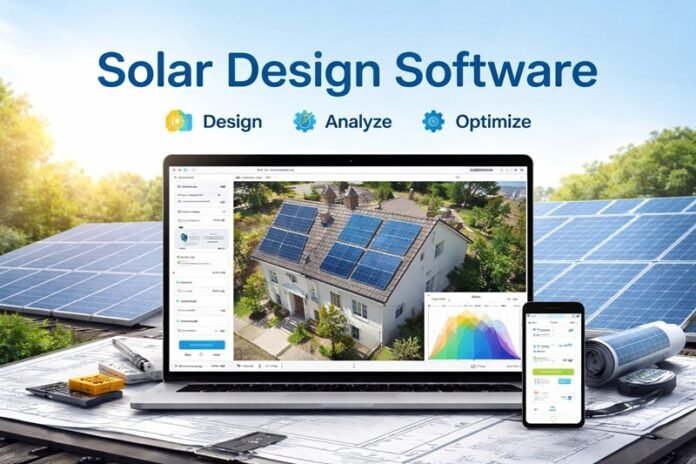


A homeowner doesn’t sign a solar contract because the panel layout looks impressive. They sign because the numbers made sense, the financing felt manageable, and every question got answered before they had to ask it. That’s the entire job of a solar proposal tool — turning a system design into something a customer can actually understand, trust, and say yes to.
If your team is still building proposals in PowerPoint or copy-pasting numbers between spreadsheets, you already know how much time that costs — and how much room it leaves for mistakes. This guide covers what a proposal tool actually does, what to look for, and which options are worth considering in 2026.
What Is a Solar Proposal Tool?
A solar proposal tool is software that converts your system design and financial data into a professional, customer-ready proposal — usually in minutes rather than hours. At a basic level, it helps you:
- Pull system design data (panel layout, production estimates) into a client-facing document
- Run financial modeling — savings, payback period, financing options
- Generate a branded, easy-to-understand proposal PDF or interactive web page
- Support e-signatures so customers can approve on the spot
Many modern tools go further, offering multi-language support, solar-plus-storage configurations, and direct integration with CRM or project management systems — so the same data flows from first quote to installation without anyone re-entering it.
Why a Proper Proposal Tool Matters
It’s tempting to think of the proposal as “just paperwork” after the real work of design is done. In practice, weak proposal processes cause a handful of very specific, very costly problems:
- Manual re-entry errors. When the design is built in one tool and the proposal in another, someone has to retype system size, equipment specs, and pricing — and mistakes creep in every time that happens.
- Inconsistent proposal quality. If every rep builds proposals from scratch, quality (and close rates) will vary wildly across your sales team.
- Slower close times. A proposal that takes hours to prepare gives the customer time to second-guess, shop around, or lose interest.
- Numbers that don’t match what’s actually built. If the financial projection isn’t tied directly to the engineering data, you risk promising something the installed system can’t deliver.
A purpose-built proposal tool removes most of this friction by keeping design data, financials, and the customer-facing document all connected.
Key Features to Look For
Not all proposal tools are built the same way. Here’s what actually separates a strong one from a weak one.
1. Direct Integration With Design Software
The best proposal tools pull straight from your system design data — panel layout, production estimates, shading analysis — instead of requiring manual entry. This keeps the numbers a customer sees consistent with what will actually get installed.
2. Accurate, Bankable Financial Modeling
Look for tools that go beyond a simple savings estimate and offer:
- Real, up-to-date utility rate data
- Multiple financing options (cash, loan, lease, PPA)
- Detailed yield modeling, not just averages, so projections hold up to scrutiny
3. Fast Turnaround
Speed matters more than it might seem. The best tools can turn a finished design into a branded, ready-to-sign proposal in a matter of minutes — not hours. The longer it takes to get a proposal in front of a customer, the more chances they have to lose momentum.
4. E-Signature and Interactive Proposals
Static PDFs are being replaced by interactive, shareable proposals that customers can review and approve on the spot — often with e-signature built directly into the tool. This shortens your sales cycle considerably.
5. CRM and Project Management Handoff
Once a proposal is signed, that data needs to flow into installation planning without anyone manually re-entering it. Tools with built-in or well-integrated CRM and project management features reduce a major source of post-sale errors.
6. Multi-Language and Localization Support
If you operate across different regions or serve diverse customer bases, proposal tools with multi-language support and country-specific tariff modeling can be a meaningful advantage.
How to Choose the Right Solar Proposal Tool
Step 1: Decide Between All-in-One and Proposal-First Tools
Some platforms bundle system design, shading analysis, and proposal generation into a single tool. Others are proposal-first — lighter on engineering, but built specifically to pair with a separate design platform you already use.
- Choose an all-in-one tool if you want design and proposals in a single workflow with no data handoff between systems.
- Choose a proposal-first tool if you already have a design platform you’re happy with and just need a faster, better sales layer on top of it.
Step 2: Match the Tool to Your Project Type
- Residential-focused tools tend to prioritize speed, simple financing options, and fast close rates.
- Commercial and EPC-focused tools tend to prioritize detailed financial modeling (IRR, NPV, payback period) and performance guarantees, since commercial buyers scrutinize proposals more closely.
Step 3: Check the Real Cost, Not Just the Sticker Price
Pricing across proposal tools varies significantly — from free basic tiers to several hundred dollars per user per month for advanced platforms. Before deciding, calculate your realistic annual cost across your whole team, including any add-ons you’ll actually need (financing modules, e-signature, CRM integration).
Step 4: Consider Your Team’s Learning Curve
Enterprise-grade tools with deep financial modeling can have a steep learning curve and may be overkill for a small residential team. If your reps need to be quoting customers within their first week, prioritize usability over maximum feature depth.
Popular Solar Proposal Tools in 2026
Here’s a look at some widely referenced options, grouped by what they’re generally best known for. As with any software category, claims of being “the best” often come from the vendors themselves — so it’s worth trialing a couple of options rather than taking any single ranking at face value.
Aurora Solar
A cloud-based platform combining detailed design and energy modeling with automated proposal generation. Popular with larger solar companies that want engineering accuracy and strong sales presentation in the same tool.
OpenSolar
An end-to-end design and proposal platform with 3D modeling, financial analysis, and CRM integration, including a free tier — a common starting point for smaller teams.
HelioScope
Primarily a design and simulation tool, but commonly paired with proposal software for commercial projects that need fast layout and production modeling alongside professional-grade proposals.
Solargraf and Pylon
Generally categorized as proposal-first tools with lighter engineering depth, designed to pair with a separate dedicated design platform — a good fit if you already have design software you like.
Enact
Positioned as a residential proposal-first tool, focused on getting quotes in front of homeowners quickly.
Sighten
Primarily known for residential financing and finance modeling, useful if your main gap is around loan, lease, or PPA calculations rather than design or proposal generation broadly.
Common Mistakes to Avoid
- Letting design and proposal data live in separate tools without integration — this is the single biggest source of costly re-entry errors
- Choosing a tool based purely on price without checking whether it actually supports the financing options your customers need
- Overlooking mobile or field usability — if your reps quote in the customer’s living room, a tool that only works well on desktop will slow you down
- Ignoring the CRM handoff — a beautiful proposal that dead-ends after signing creates just as much manual work as no proposal tool at all
Frequently Asked Questions
What’s the difference between a solar design tool and a solar proposal tool? A design tool focuses on system layout, shading analysis, and production modeling. A proposal tool takes that design data and turns it into a customer-facing document with financial modeling and e-signature — many modern platforms now combine both.
Do I need a separate proposal tool if I already have design software? Not necessarily. Some design platforms include proposal generation built in. If yours doesn’t, a proposal-first tool that integrates with your existing design software can fill that gap.
How fast should a solar proposal tool generate a proposal? The best tools can go from a finished design to a branded, ready-to-sign proposal in a matter of minutes. If your current process takes hours, that’s usually a sign the tool (or your workflow around it) needs an upgrade.
Are free solar proposal tools good enough for a small business? Free tiers can work well for very small teams or early-stage businesses, but they often come with limits on branding, financing options, or proposal volume. It’s worth checking those limits before committing.
Can solar proposal tools handle battery storage and financing options? Most modern platforms now support solar-plus-storage configurations and multiple financing paths — cash, loan, lease, or PPA — as standard features rather than add-ons.
Is it worth paying for an all-in-one design-and-proposal platform? If your team currently loses time re-entering data between separate design and proposal tools, an integrated platform often pays for itself through faster turnaround and fewer errors — even at a higher per-seat cost.
Final Thoughts
A solar proposal tool isn’t just about making a nicer-looking document — it’s about closing the gap between what your engineering team designs and what your customer actually signs off on. The right tool speeds up your sales cycle, keeps your numbers accurate, and makes sure nothing gets lost between the first conversation and the final installation.
If you’re evaluating options, start by mapping your current bottleneck — slow proposals, inconsistent quality, or a messy handoff to installation — and choose a tool that solves that specific problem first, rather than the one with the longest feature list.