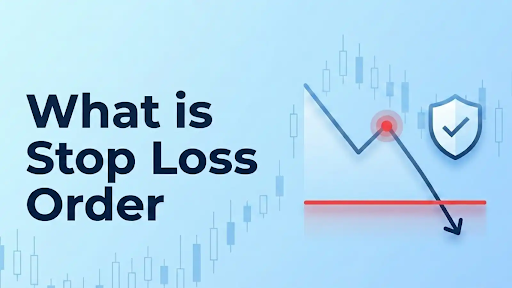


Investing in the stock market can yield lucrative results, but it comes with inherent risks that investors need to manage diligently. One of the simplest yet most effective tools to mitigate losses when trading in the stock market is the stop loss order. In this article, we’ll dive deep into the concept of stop loss orders, how they can reduce market risk, and how you can combine them with strategies like pivot points to enhance your trading precision.
What is a Stop Loss Order?
A stop loss order is a predefined instruction that an investor places to sell a stock or security when its price reaches a specified limit, typically below the purchase price. The purpose of a stop loss order is to cap potential losses during adverse market movements. This automated mechanism ensures that you don’t have to monitor the market all the time—it works as a safety net and exits your position before losses become unmanageable.
For example, imagine you buy 100 shares of Company ABC at ₹200 per share. You may decide to set a stop loss order at ₹180. If the stock price drops to ₹180, the stop loss order will immediately trigger a sale of the stock at or near this price, preventing further losses.
Demat Trading and Stop Loss Orders: A Perfect Match
In the digital era, trading has become increasingly accessible to individual investors via Demat accounts. A Demat (Dematerialized) account is used to electronically hold shares and securities, eliminating the hassle of physical paperwork. For modern traders and investors, using a stop loss order in conjunction with a Demat account offers a streamlined and effective way to manage risk.
The critical advantage of combining stop loss orders with Demat trading is automation. As prices fluctuate in real-time, the system executes your pre-specified stop loss order without any manual intervention. This is particularly useful in a highly volatile market where stock prices can drastically change within seconds.
How Can Stop Loss Orders Reduce Market Risk?
Stop loss orders are invaluable for risk management, especially for beginners and retail investors who cannot monitor the market constantly. Below are specific ways in which stop loss orders help mitigate market risk:
1. Prevention of Emotion-Based Decisions
Emotional responses—such as fear of losing or greed for gains—often lead to irrational decisions during market turmoil. A stop loss order eliminates emotion from the equation by executing a pre-planned strategy.
2. Limitation of Losses
The primary goal of a stop loss order is to cap your losses. By defining the maximum amount you’re willing to lose on a trade, you protect your overall portfolio from significant damage caused by sudden price swings.
3. Protection in Highly Volatile Markets
Certain stocks and sectors are prone to rapid price movements due to news, events, or macroeconomic factors. In such scenarios, a stop loss order acts like an insurance policy, safeguarding your investments against unexpected downturns.
4. Peace of Mind
Knowing that your trades are protected by stop loss orders provides mental reassurance. You don’t need to constantly monitor stocks since the system will automatically sell in unfavorable conditions.
Types of Stop Loss Orders
There are various types of stop loss orders, each catering to different trading goals:
1. Fixed Stop Loss Order
This is the most basic type of stop loss order in which you specify a static price at which a stock will be sold. For example, if you purchase a stock at ₹500, you could set your stop loss at ₹480. If the stock drops to ₹480, a sale is triggered.
2. Trailing Stop Loss Order
A trailing stop loss order allows you to adjust the stop loss level dynamically as the stock price moves upward. As the price rises, the trailing stop price increases, locking in gains while still protecting you from downside risk. For example, if you set a 5% trailing stop loss and the stock rises from ₹500 to ₹550, your stop loss price will adjust to ₹522.50 (5% below ₹550).
3. Time-Based Stop Loss
While less common, some investors set stop loss orders based on time. For example, if no upward price movement occurs within a given period, they exit the position manually or automatically.
Strategic Use of Stop Loss Orders
Stop loss orders are not just a passive safety feature; they can be strategically deployed for maximizing your trading efficiency. Incorporating pivot points into your trading strategy can significantly enhance the accuracy of setting your stop loss levels.
Pivot Points and Stop Loss Orders
One advanced method to determine stop loss levels is using pivot points—a technical analysis tool used to identify potential support and resistance levels for a stock. Pivot points are calculated based on the previous day’s key price levels: high, low, and close. They provide traders with critical price levels around which the market could react.
How Pivot Points Enhance Stop Loss Placements
Pivot points help traders determine logical areas to set their stop loss orders, ensuring that positions are protected without being triggered too early.
1. Support Levels
When placing a long position, you can set your stop loss just below a pivot point support level. This helps you ride any price fluctuations above that level while protecting yourself against a deeper downturn.
2. Resistance Levels
In the case of short positions, you can place a stop loss just above a pivot point resistance level. This ensures that if the stock breaks above resistance, your losses are minimized.
3. Reducing False Triggers
One of the challenges with stop losses is dealing with false triggers due to intraday volatility. Creating stop loss levels near significant pivot points reduces the chance of prematurely exiting trades during minor fluctuations.
Example of Combining Pivot Points with Stop Loss Orders
Let’s say a stock closes at ₹1,000 with a high of ₹1,050 and a low of ₹950 the previous day. The pivot point calculation for the day would be:
Pivot Point=High+Low+Close3\text{Pivot Point} = \frac{\text{High} + \text{Low} + \text{Close}}{3}Pivot Point=3High+Low+Close
Using the formula, the pivot point would be ₹1,000.
If you plan to enter a long position, you can set your stop loss below the nearest support level. If you enter a short position, you can place your stop loss above the closest resistance level.
Best Practices for Using Stop Loss Orders
To maximize the effectiveness of stop loss orders, follow these best practices:
1. Use Risk-Reward Ratios
Before placing a trade, evaluate the potential reward against the risk. Common ratios are 3:1 or higher, meaning that the potential profit should be three times the amount you’re willing to risk.
2. Don’t Set Stop Loss Orders Too Tight
While it’s essential to protect against losses, setting overly tight stop loss orders can cause unnecessary exits due to minor price movements. Use pivot points and market analysis to set realistic levels.
3. Adapt to Market Conditions
In volatile markets, loosen your stop loss levels slightly to accommodate price swings. In more stable conditions, tighter stop losses work better.
4. Regularly Review and Adjust
Adjust your stop loss orders as the price of your shares moves. If the market trends in your favor, consider trailing stop loss orders to lock in profits while staying protected.
Conclusion
A stop loss order is an essential tool for minimizing risks and ensuring more disciplined trading in the stock market. Whether you are a novice or an experienced trader using a Demat account, implementing stop loss orders can shield you from unexpected losses and volatile market movements.
Combining stop loss orders with strategies like pivot points helps you refine your trading approach, enabling better control over your investment decisions. By leveraging these tools strategically, traders can build a robust risk management framework that not only protects their capital but also allows them to participate confidently in the stock market.
Always remember: successful trading is more about managing risks than achieving consistent wins. A well-executed stop loss strategy is your first step toward achieving this balance. Start using stop loss orders and see how it transforms your trading journey into a safer, more calculated experience
Read Also-: Personal Loan for International Travel: Is It Worth It in 2026?